

Why Ridesharing Accidents in Arizona Are Different from “Normal” Car Crashes
A rideshare accident includes any collision involving an Uber, Lyft, or another app-based transportation service. You may be riding as a passenger, driving your own vehicle, walking through a crosswalk, or sharing the road on an e-scooter. What makes these crashes more complicated is the structure behind rideshare companies. These cases rarely involve a single insurance carrier or a straightforward liability analysis.
Several factors contribute to the added difficulty:
- More than one insurance policy may apply
- Liability depends on the driver’s app status
- Uber and Lyft maintain large corporate policies, but they often push back
- Each company has strict internal reporting rules
- Drivers are treated as independent contractors, which affects how claims are handled
Because of these issues, you are not dealing with a simple car accident claim. You are entering a process that requires careful attention to which party is responsible, how the crash occurred, and what insurance coverage applies at each moment.
How Rideshare Insurance Works in Arizona (and Why App Status Matters)
Rideshare insurance is designed to activate only when the driver is engaged in work for the company. Because of that, the driver’s app status at the time of the crash has a direct impact on which policy pays, how much coverage is available, and how disputes are resolved.
When the Driver Is “Offline”
If the rideshare driver is not logged into the Uber or Lyft app, they are considered offline. In that situation, only the driver’s personal auto insurance applies. You cannot make a claim under the rideshare company’s policy because the driver was not working. This often means lower coverage limits and a higher likelihood of disputes, especially if the driver bought a minimal policy.
When the Driver Is “Online” but Has No Passenger Yet
When the driver is logged into the app and waiting for a ride request, Uber and Lyft provide contingent liability coverage. This usually includes:
- Third-party liability coverage above the driver’s personal insurance
- Coverage that applies if the driver’s insurer denies or limits payment
Coverage disputes can occur when the personal insurer claims the driver was using the vehicle for commercial purposes, while the rideshare company argues the driver’s personal policy should apply first. Sorting this out requires careful documentation.
When the Driver Is En Route to a Passenger or Has a Passenger in the Car
This status triggers the highest level of coverage, often up to $1 million in liability coverage. It can apply to:
- Passengers
- Drivers and passengers in other vehicles
- Pedestrians and cyclists
Documenting the driver’s app status right after the crash is one of the most important steps you can take. Screenshots, app timestamps, and trip logs can sharply influence how your claim is handled.
How Your Own Auto Insurance Comes Into Play
Even in rideshare accidents, your own policy may help fill coverage gaps:
- UM/UIM coverage protects you when the at-fault driver has little or no insurance.
- MedPay may pay immediate medical bills regardless of fault.
Many people injured in rideshare crashes end up relying on their own policy because of coverage disputes between the driver, the rideshare company, and other insurers involved.
Key Arizona Laws That Affect Rideshare Accident Claims
Knowing how Arizona’s laws apply helps you understand why rideshare claims unfold the way they do.
Arizona’s Statute of Limitations for Personal Injury
In Arizona, you usually have two years from the date of the crash to file a personal injury lawsuit. Delays in seeking legal help can weaken your claim, especially when corporate insurers begin building their defense immediately.
Arizona’s Comparative Negligence Rules
Arizona follows comparative negligence, which means your compensation is reduced by the percentage of fault assigned to you. Fault in rideshare crashes often involves several parties, such as:
- A rideshare driver who made an unsafe turn
- Another driver who sped through a light
- A distracted driver who failed to yield
- A rideshare driver who was speeding or following too closely
You should never assume you have no claim because you think you contributed to the crash. Fault percentages are evaluated based on evidence, and even partially at-fault people may still recover compensation.
At-Fault System vs. No-Fault States
Arizona is an at-fault state. This means the person or entity responsible for the crash is financially liable for the injuries and losses they caused. Because of the multi-layered structure of rideshare claims, determining fault requires careful analysis of both driver behavior and corporate insurance rules.
Who Can File a Rideshare Accident Claim in Arizona?
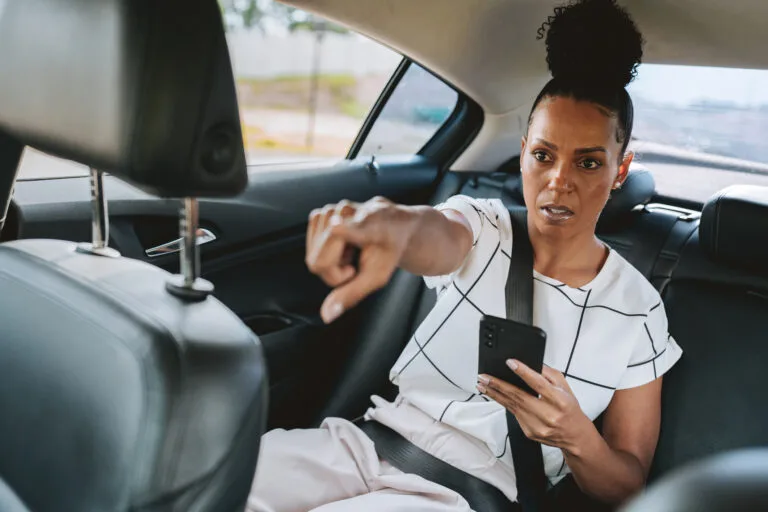
Injured Rideshare Passengers
Passengers are rarely at fault. If you were injured while riding in an Uber or Lyft, you can typically file a claim against the rideshare company’s policy, the driver’s policy, or another at-fault driver.
Drivers and Occupants of Other Vehicles
If an Uber or Lyft driver hit your vehicle, you may be covered by:
- The rideshare policy
- The driver’s personal policy
- Your own auto insurance
App status determines which policy applies.
Pedestrians, Cyclists, and E-Scooter Riders
People hit while walking, biking, or riding an electric scooter can also file a claim. These cases often involve severe injuries because pedestrians and cyclists have limited protection.
Families in Wrongful Death Cases
If a loved one was killed in a rideshare crash, Arizona law allows certain family members to file a wrongful death claim. These cases can involve several policies and require careful coordination of evidence.
Step-by-Step: What to Do After a Rideshare Accident in Arizona
Taking the right steps after a crash can protect your health, strengthen your claim, and prevent insurers from questioning the severity of your injuries.
Step 1 – Get to Safety and Call 911
Call 911 so law enforcement can respond and create an official record. Emergency medical services should evaluate anyone who may be injured.
Step 2 – Collect Information on the Spot
Gather:
- The rideshare driver’s name and contact information
- Screenshots showing the ride details
- Photos of the app status if possible
- Insurance details for all drivers
- Names and contact information for witnesses
Step 3 – Document the Scene
Take photos or videos of:
- Vehicle damage
- Road conditions
- Traffic signs
- Injuries
- Skid marks or debris
Also screenshot your trip information, including pick-up time, drop-off information, and driver identification. These details can disappear quickly, and rideshare companies often dispute how collisions occurred.
Step 4 – Get Medical Attention Right Away
Even if you feel fine, symptoms from head trauma or soft tissue injuries may appear later. Medical documentation supports your claim and protects your health.
Step 5 – Report the Crash to Uber/Lyft and Your Own Insurer
Each company has an in-app reporting process. Keep your statements factual and brief. Do not speculate about fault, and do not provide recorded statements before speaking with an attorney.
Step 6 – Talk to an Arizona Rideshare Accident Lawyer
A personal injury lawyer can identify who is responsible, verify coverage, and protect you from insurance tactics. Early legal guidance often makes a significant difference in the outcome of your claim.
How an Arizona Rideshare Accident Lawyer Builds Your Case
Investigating Fault and Liability
We gather:
- Police reports
- Crash scene data
- Electronic trip information
- Driver background and history
- Witness statements
Understanding what happened at the exact moment of impact helps establish liability.
Identifying All Possible Insurance Policies
A single crash may trigger three or more insurance policies. We review:
- Rideshare corporate coverage
- The driver’s personal policy
- Your own auto insurance
- Additional coverage for uninsured or underinsured drivers
Proving Your Injuries and Damages
We work with medical professionals and specialists to document the full impact of your injuries, including long-term care and treatment needs.
Negotiating a Settlement vs. Filing a Lawsuit
Most rideshare claims settle outside of court, but not all. We prepare every case as though it may go to trial because this strengthens your negotiating position.
What Compensation Can You Recover After a Rideshare Accident in Arizona?

Economic Damages
These cover your financial losses, including:
- Medical bills
- Ongoing medical treatment
- Lost wages
- Reduced earning ability
- Property damage
Non-Economic Damages
These include the impact the crash has on your daily life, such as:
- Physical pain
- Emotional distress
- Loss of enjoyment of activities
Punitive Damages in Extreme Cases
Punitive damages are reserved for conduct that shows a disregard for the safety of others, such as driving under the influence or intentionally dangerous behavior.
How Long Do Rideshare Accident Cases Take in Arizona?
Many cases settle within several months, but more serious injuries or disputed liability can take longer, sometimes more than a year. A lawsuit involves several stages:
- Filing the complaint
- Discovery
- Mediation
- Trial
Factors That Influence How Long Your Case Takes
- The severity of your injuries
- Whether fault is disputed
- The number of insurance companies involved
- The need for expert analysis
- Whether litigation becomes necessary
We communicate with clients throughout the process so they always understand where their case stands.
Common Mistakes That Can Hurt Your Arizona Rideshare Claim
These are common problems that often weaken claims:
- Agreeing to handle the crash informally without a police report
- Assuming Uber or Lyft will fully cooperate
- Posting photos or updates on social media
- Delaying medical treatment
- Talking freely with adjusters
- Accepting a quick payout
- Waiting too long to seek legal help
How Arizona Rideshare Accident Lawyers Charge for Their Services (Contingency Fees)
No Upfront Fees
Most rideshare injury lawyers work on contingency, meaning you pay nothing upfront and the lawyer only receives a fee if you recover compensation. Percentages may vary depending on whether the case goes to trial.
Case Costs vs. Attorney’s Fees
Costs may include filing fees, medical record retrieval, accident reconstruction, and expert witnesses. These are often advanced by the firm and reimbursed from the settlement or verdict. If you do not win, you generally do not owe attorney fees, but speak with your lawyer about potential court costs.
When You Should Call an Arizona Rideshare Accident Lawyer
You should contact a lawyer if:
- You were injured in a rideshare crash
- The insurance company is disputing fault
- You received a low settlement offer
- Multiple insurance companies are involved
- You need support while you focus on recovering
An early conversation can help protect your rights and preserve important evidence.
Contact Our Arizona Rideshare Accident Attorneys Today
Ridesharing accidents in Arizona involve more than a typical crash claim. With layered insurance policies, shifting liability rules, and companies that push to limit payouts, you benefit from having someone in your corner who knows how to build a strong case. At Gill Law Firm, we will help you understand your rights, pursue fair compensation, and hold every responsible party accountable. Contact us today to discuss your situation and learn how we can support you.

FAQs About Ridesharing Accidents & Your Rights in Arizona
Do I sue Uber or Lyft directly?
Usually no. Claims typically move through their insurance companies unless there is evidence of wrongdoing by the company itself.
What if the Uber or Lyft driver didn’t cause the crash?
You can pursue the at-fault driver’s insurance. Rideshare insurance may still apply if there are coverage gaps.
What happens if an insurer says I’m not covered?
Coverage disputes are common in rideshare cases. Additional evidence or legal action may be needed to establish which policy applies.
Can I recover compensation if I wasn’t wearing a seatbelt?
Possibly. Your compensation may be reduced, but you are not automatically barred from bringing a claim.
What if the rideshare driver was uninsured or underinsured?
Your UM/UIM coverage may apply, and the rideshare company’s policy may also provide coverage depending on app status.
Do I need a lawyer if the rideshare company already made an offer?
It is wise to get legal advice before accepting any settlement, especially when you are uncertain about future medical needs or potential coverage disputes.